

Stay Sharp with These 5 Fun Brain Exercises for Older Adults
March 6, 2026
Staying mentally engaged is about more than passing time. It is about feeling confident and connected to the life you love. At The Westerly Pewaukee, we believe that nurturing the mind is just as important as caring for the body. This blog post about brain exercises for older adults is designed to help you understand how thoughtful mental stimulation supports daily living, emotional well-being, and a sense of purpose within a vibrant community.
Why Brain Health Matters at Every Stage of Life
Brain health influences how we think, move, communicate, and connect with others. As we age, natural changes in the aging brain can affect processing speed, memory abilities, and mental acuity. These shifts are often described as cognitive aging, and they can look different for every individual. Some people notice occasional forgetfulness, while others experience more noticeable challenges tied to age related cognitive decline.
Research continues to show that intentional cognitive training and regular mental exercise can help support brain function and preserve cognitive abilities. Studies point to meaningful cognitive benefits, with clear clinical significance, when older adults stay mentally and socially engaged. This matters for people living independently, those receiving assisted living support, and individuals navigating mild cognitive impairment or cognitive impairment linked to conditions such as Alzheimer's disease.
Understanding Cognitive Decline with Compassion
Talking about cognitive decline can feel uncomfortable, yet it is an important part of caring for overall mental health and physical health. Changes in memory and cognitive function often stem from shifts in brain cells, brain connections, and the brain's ability to adapt over time. These changes can affect working memory, executive function, verbal fluency, and spatial cognition.
The good news is that the parts of the brain that support learning and adaptation remain responsive throughout life. Engaging in purposeful activities can help prevent cognitive decline, support a healthy brain, and maintain overall mental health in ways that feel natural and enjoyable.
Brain Exercises That Support a Brain Active Lifestyle
Brain exercises that support a brain active lifestyle help keep the mind engaged in ways that feel natural, enjoyable, and purposeful. These activities encourage curiosity, confidence, and daily mental engagement that fits seamlessly into everyday life.
Brain Exercises That Strengthen Brain Power Through Play
Fun matters. Brain exercises that feel enjoyable are easier to stick with and more likely to support mental sharpness. Activities like brain games, brain training games, and playing games encourage problem solving skills, processing speed, and mental agility. Options such as crossword puzzles, word puzzles, word games, jigsaw puzzles, and even thoughtfully chosen video games activate multiple cognitive abilities at once, which helps keep the brain active.
These experiences challenge different cognitive domains, strengthen brain connections, and can improve cognitive performance without feeling like work.
Brain Training Exercises That Boost Cognitive Function
Intentional brain training exercises focus on structured cognitive tasks designed to improve attention, memory, and reasoning. This form of brain training can support different cognitive functions such as problem solving, recall, and flexibility. Over time, this can help improve cognitive function and slow memory decline that sometimes leads to memory loss.
Programs centered on brain training often emphasize variety, which keeps the brain engaged and supports long term cognitive health.
Brain Games That Encourage Social Connection
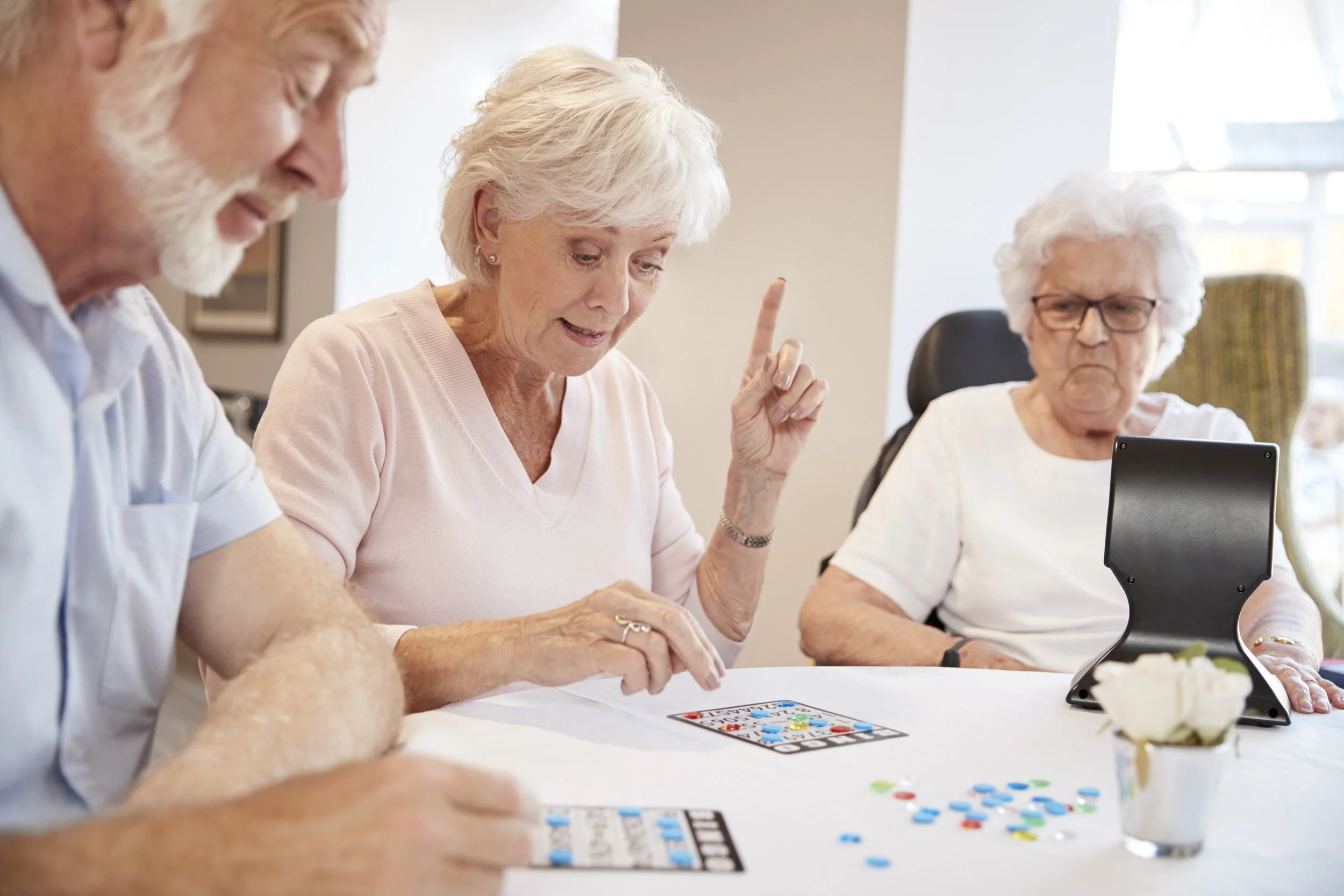
Mental stimulation becomes even more powerful when shared. Group activities centered on brain games create opportunities for laughter, conversation, and connection. Social interaction supports emotional well-being and plays a meaningful role in maintaining cognitive skills and mental stimulation.
At The Westerly Pewaukee, residents benefit from regular programs that naturally incorporate mental engagement into daily life within a supportive community environment.
Brain Training Games Paired with Physical Activity
Movement and cognition are closely connected. Physical activity and physical exercise help increase blood flow and improve flow to the brain, which supports oxygen delivery and nourishment to brain cells. Research shows that exercise promotes blood flow, which can boost brain function and support brain healthy routines.
Activities such as aerobic exercise, chair yoga, and strength classes complement mental exercise by reinforcing focus, balance, and coordination. Regular physical exercise also supports a positive mood and sustained brain power.
Benefits of Brain Exercises Rooted in Daily Habits
The benefits of brain engagement extend beyond memory. Consistent mental challenges can help support cognitive performance, protect cognitive function, and enhance confidence in daily tasks. When paired with a healthy diet and balanced diet, mental engagement supports long term wellness.
Learning a new skill such as language learning or practicing a musical instrument introduces novelty, which strengthens brain connections and supports the brain's ability to adapt. These habits work together to support brain health in a way that feels integrated into everyday living.
Brain Connections Supported by Community Living
Life at The Westerly Pewaukee is built around connection. Whether you are enjoying independent living, assisted living, or memory care, daily opportunities for engagement support cognitive exercises in a natural setting. Access to inviting spaces, wellness focused programming, and meaningful relationships helps residents maintain mental acuity and mental sharpness while feeling supported at every stage of life.
Aging Brain Care That Feels Personal and Purposeful
Caring for the aging brain is not about perfection. It is about intention, compassion, and consistency. When mental engagement, physical activity, and social connection come together, they create a foundation for lasting cognitive health. This approach honors the whole person and supports a life filled with curiosity and confidence.
Caring for the Mind as Part of a Well-Lived Life
Staying mentally engaged is one of the most meaningful ways to care for yourself or someone you love. Thoughtful brain exercises for older adults support independence at every stage of aging. At The Westerly Pewaukee, we are proud to offer a community where mental engagement, wellness, and belonging come together seamlessly. We invite you to reach out to learn more or schedule a tour and experience how life here supports both mind and body.
Frequently Asked Questions
How often should older adults practice brain exercises?
Consistency matters more than intensity. Engaging in mental activities several times a week can support cognitive health without feeling overwhelming.
Can brain exercises help with memory loss?
While no activity can reverse all memory loss, regular mental stimulation can help strengthen memory abilities and slow memory decline.
Are brain games helpful for people with cognitive impairment?
Yes. When chosen thoughtfully, brain games can support engagement, confidence, and quality of life for individuals with cognitive impairment.
Does physical exercise really affect brain health?
Yes. Physical exercise increases blood flow and supports overall brain health, especially when paired with mental exercise.
What role does community play in cognitive health?
Community connection supports emotional well-being, mental stimulation, and daily engagement, all of which are important for cognitive health and overall quality of life.